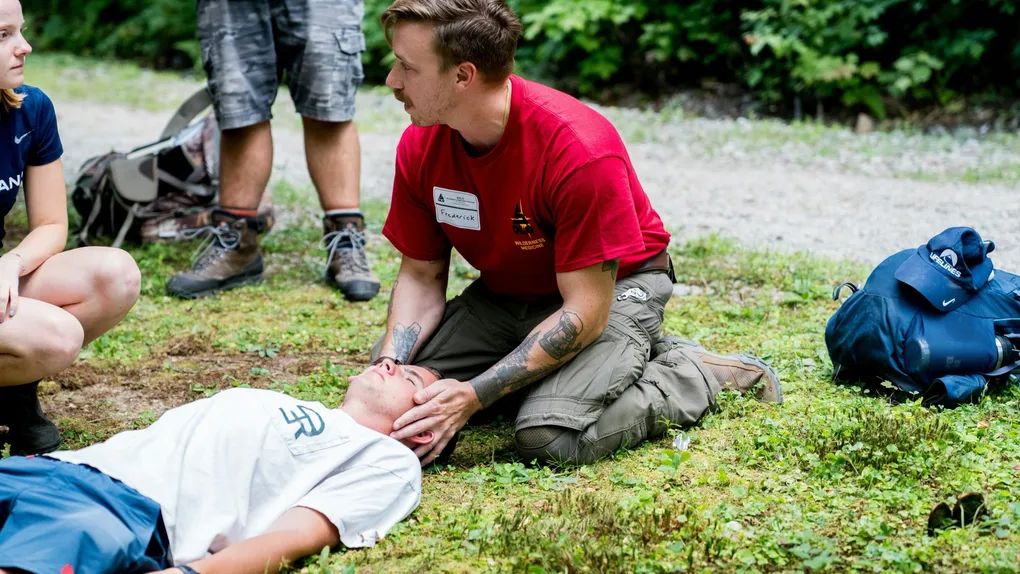
Prepping for lightning (Part 3): If someone is struck
Most people struck by lightning survive. The National Weather Service estimates that only about 10 percent of people who are struck are killed. For the people who die, cardiac arrest is usually the immediate cause. That makes the first few minutes after a strike the most important ones, and the person most likely to help is whoever is standing nearby.
This part covers what to do in those minutes and what to watch for in the weeks after.
Disclaimer: This is general first aid information, not medical training or medical advice. Call 911 for any lightning injury and follow the dispatcher’s instructions. Take a certified CPR and AED course to learn the skills properly.
The Readiness Audit
- Green: Someone in your household is trained in CPR, and you know where the nearest AED is at your gym, school or sports field.
- Yellow: You would call 911 but would not know what to do while you wait.
- Red: You would be afraid to touch someone who was just struck.
If you are Yellow or Red, start Phase 1 and sign up for a CPR class.
Phase 1: Make the Scene Safe
Goal: Help without becoming a second victim.
Lightning can strike the same place twice. If the storm is still active, the person who was struck and everyone helping them are still at risk.
- Look around for continuing thunder and lightning.
- Move to a safer place if you can do it quickly, such as into a building or vehicle.
- Do not delay care for a long move. If the person is not breathing, start helping where you are.
Caution: People struck by lightning do not carry an electrical charge. You can touch them safely. Waiting out of fear can cost them their life.
The Takeaway: Check the storm, move if you can do it fast, then help.
Phase 2: Call 911 and Start CPR
Goal: Keep the person alive until emergency crews arrive.
The NWS says immediate medical attention, including calling 911, starting CPR and using an AED, may be critical to keep a struck person alive until more advanced care arrives.
- Call 911. Say that someone was struck by lightning and give your exact location. If another person is nearby, have them call while you start helping.
- Check for breathing. If the person is not breathing normally, start CPR if you are trained. The dispatcher can talk you through it if you are not.
- Use an AED if one is available. The NWS lightning safety brochure calls these units lifesavers. Turn it on and follow its spoken instructions.
- Keep going until emergency crews take over or the person starts breathing on their own.
The Takeaway: 911, CPR and an AED, in that order, as fast as you can.
Phase 3: Care for a Conscious Survivor
Goal: Recognize injuries that are easy to miss.
The Dr. Lightning guide notes that people who were just struck are often confused and do not know what happened. A survivor may have burns, but the bigger concern is how lightning affected the heart and nervous system.
While you wait for help:
- Stay with them and keep them calm.
- Do not rely on how they say they feel. Confusion is common right after a strike.
- Tell the emergency crew everything you saw, including how long the person was unresponsive.
Caution: A person who stands up and says they are fine still needs a medical exam. Damage to the heart and nerves is not always visible.
The Takeaway: Everyone who was struck goes to a doctor, even if they walk away.
Phase 4: Watch for Lasting Effects
Goal: Know what recovery can look like so problems get treated.
Some survivors live with lasting, painful injuries to the nervous system. The Dr. Lightning guide lists effects that survivors often report:
| Mental effects | Physical effects |
|---|---|
| Trouble with mental tasks and multitasking | Intense headaches |
| Short-term memory loss and forgetfulness | Body pain |
| Being easily distracted | Getting tired easily |
| Personality changes and irritability | Trouble sleeping |
| Depression |
Survivors and their families may not connect these problems to the strike right away.
The Takeaway: If someone you love was struck, watch for changes in memory, mood and sleep, and bring them to their doctor.
The Essential Kit Checklist
- CPR training: At least one adult in the household has a current CPR and AED course.
- AED locations: Know where the AED is at your school, gym, pool and sports fields.
- Phone ready: Keep a charged phone with you outdoors so you can call 911.
- Team plan: Ask your coach or event organizer who is trained and where the AED is kept.
- Follow-up: Anyone who was struck gets a medical exam, even if they feel fine.
Scenario Planner (Contingencies)
The trap: A teammate collapses after a nearby strike and everyone is afraid to touch him. The fix: Lightning victims carry no charge. Call 911, check his breathing and start CPR if you are trained.
The trap: A friend was knocked down by a strike but says he is fine and wants to go home. The fix: Confusion is common after a strike, and heart and nerve damage can be hidden. Get him checked by a doctor the same day.
Frequently Asked Questions
What is the first thing to do if someone is struck by lightning?
Call 911. Then check whether the person is breathing. If they are not, start CPR if you are trained and use an AED if one is available.
Can a lightning strike victim shock me if I touch them?
No. People struck by lightning do not carry an electrical charge. They are safe to touch, and they may need help right away.
Can someone recover fully after being struck by lightning?
Many people survive, but some live with lasting problems such as headaches, pain, memory loss and depression. Anyone who was struck should see a doctor, even if they seem fine.
Next Steps
- Find a CPR and AED class near you and book a date.
- Print the lightning safety checklist and keep it with your outdoor gear.
- Go back to the series overview for the full plan.
Hero photo by Frederick Shaw on Unsplash.
Adapted from NOAA National Weather Service (public domain). Read the original: NWS Lightning Safety Guide.