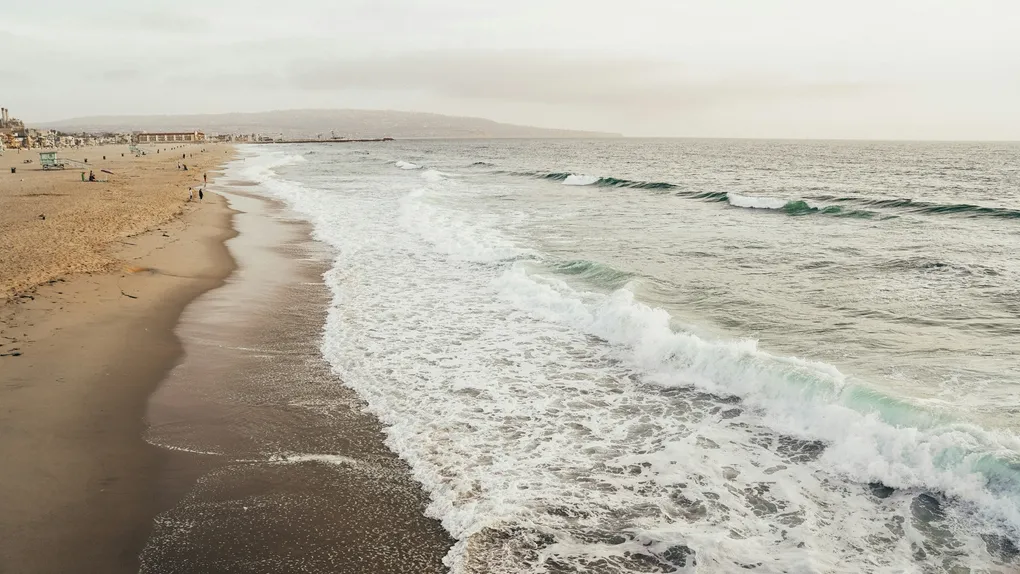
Rip currents: How to spot one and break free
A rip current is a narrow channel of water rushing away from the beach. It does not pull you under. It pulls you out. The danger comes when a tired, frightened swimmer tries to fight straight back toward shore against water that can move faster than an Olympic swimmer.
The National Weather Service calls rip currents the number one hazard at surf beaches, leading to tens of thousands of rescues by lifeguards and over 100 drownings every year in the United States. They form at all surf beaches, including on the Great Lakes, and often on calm, sunny days.
This guide uses the NWS brochure Rip Currents: Break the Grip of the Rip (2019), made with the National Sea Grant College Program and the United States Lifesaving Association.
Disclaimer: This is general safety information. Swim at beaches with lifeguards and follow their instructions. In an emergency, call 911.
The Readiness Audit
- Green: You check the beach forecast, swim near lifeguards and know how to escape a rip.
- Yellow: You are a strong swimmer and assume rips are for beginners.
- Red: You believe a rip current pulls you under water.
If you are Yellow or Red, start Phase 1.
Phase 1: Know What a Rip Current Is
Goal: Understand how rips work.
- Speed: Average speeds are 1 to 2 feet per second, but rips have been measured at 8 feet per second.
- Size: A rip can be very narrow or more than 50 yards wide.
- Reach: Some end just past the breaking waves. Others flow hundreds of yards offshore.
- Where they form: At breaks in sandbars and near structures like jetties and piers.
- What they are not: They are sometimes called undertow or riptides, but those names are wrong. Rip currents pull people away from shore, not under the water.
The Takeaway: A rip carries you out, not down. Knowing that keeps you calm.
Phase 2: Spot the Signs
Goal: Recognize a rip before you go in.
The NWS lists these clues:
- A narrow gap of darker, calmer-looking water between areas of breaking waves and whitewater.
- A channel of churning, choppy water.
- A difference in water color.
- A line of foam, seaweed or debris moving out to sea.
Caution: The calm-looking gap is often where the rip is. It can look like the safest place to swim.
The Takeaway: If a patch of water looks oddly calm between breaking waves, stay out of it.
Phase 3: Lower Your Risk
Goal: Stack the odds in your favor.
- Swim near a lifeguard. The United States Lifesaving Association says the chance of drowning at a beach with lifeguards is 1 in 18 million.
- Check the forecast for local beach conditions before you leave, and ask the lifeguards about rips when you arrive.
- Know how to swim, and never swim alone.
- If in doubt, don’t go out.
The Takeaway: Lifeguards are your best safety gear.
Phase 4: If You Are Caught
Goal: Get out of the current without exhausting yourself.
- Relax. The current will not pull you under.
- Do not swim against it. You will tire before it does.
- Swim out of it. Swim along the shoreline, or toward breaking waves, then at an angle back to the beach.
- Or float. You may escape by floating or treading water if the current circles back toward shore.
- Signal for help. If you cannot reach shore, yell and wave so someone sees you.
The Takeaway: Calm, sideways and visible.
Phase 5: Help Someone Else Safely
Goal: Save a life without losing your own.
The NWS warns that many people have died trying to rescue rip current victims.
- Get a lifeguard.
- If there is no lifeguard, call 911, then shout to the person to swim along the shoreline to escape.
- Throw them something that floats, like a cooler, a boogie board or a life jacket.
- Never go into the water without a flotation device.
The Takeaway: Call, shout and throw. Do not go in empty-handed.
The Essential Kit Checklist
- Beach forecast checked on weather.gov before you go.
- Lifeguarded beach chosen, and you swim near the tower.
- Buddy: Nobody swims alone.
- Something that floats in your beach bag.
- Phone charged and kept dry on shore.
Scenario Planner (Contingencies)
The trap: Your child drifts out, and you sprint into the water after them. The fix: Shout for a lifeguard, call 911 and grab something that floats before you go near the water.
The trap: You feel yourself moving out and swim hard for the beach. The fix: Stop fighting it. Swim along the shore or float until the pull eases.
Frequently Asked Questions
What should I do if I get caught in a rip current?
Stay calm, because rip currents pull you away from shore, not under. Do not swim against it. Swim out of the current along the shoreline or float until it lets go, then swim at an angle back to the beach. If you need help, yell and wave.
How can I tell if there is a rip current?
Look for a narrow gap of darker, calmer-looking water between breaking waves, a channel of churning water, a difference in water color or a line of foam or debris moving out to sea.
How dangerous are rip currents?
The National Weather Service says rip currents are the number one hazard at surf beaches, leading to tens of thousands of lifeguard rescues and over 100 drownings a year in the United States.
Next Steps
- Teach your family the escape steps before your next beach trip.
- Pack a throwable float in your beach bag.
- Read our tsunami guide for other coastal hazards.
Hero photo by Olivia Krueger on Unsplash.
Adapted from NOAA National Weather Service (public domain). Read the original: NWS Rip Current Safety Brochure.