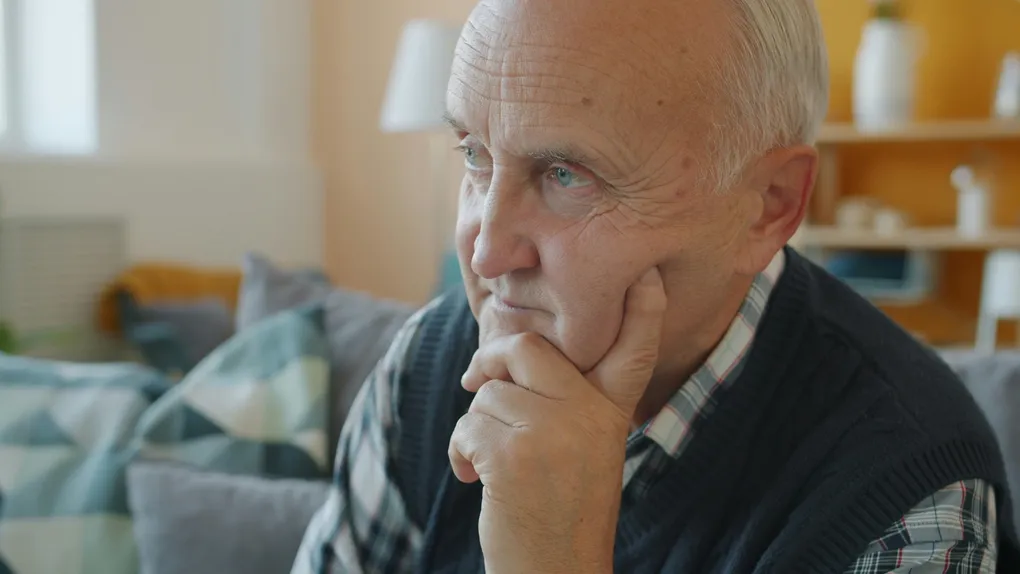
PTSD and aging: Why old trauma can return later in life
Many people carry a trauma quietly for decades. They build a career, raise a family and keep busy, and the memories stay in the background. Then, often around retirement, a loss or a health scare, the memories come back stronger than before.
The VA National Center for PTSD wrote its guide Understanding PTSD and Aging for exactly this situation. It is for older adults who have or think they may have PTSD, and for people diagnosed in the past whose symptoms are coming back or changing. Its central message is simple: no matter how old you are, it is never too late to heal from trauma.
Get help in a crisis: If someone is in danger of hurting themselves or someone else, call 911 or go to the nearest emergency room. For support any time, call or text 988 or chat at 988lifeline.org. Veterans, and anyone concerned about one, can dial 988 and press 1, text 838255 or chat online. Family and friends can use these lines too.
Disclaimer: This is general information, not medical or mental health advice. Only a qualified provider can diagnose or treat PTSD.
The Readiness Audit
- Green: You know that PTSD can appear or return late in life, and you know who you would talk to about it.
- Yellow: Old memories have been bothering you more lately, but you think it is just part of getting older.
- Red: You believe it is too late, or that what happened to you does not count.
If you are Yellow or Red, keep reading, then go to Part 1.
PTSD Is Not Only a Combat Injury
Older generations may know PTSD by names like shell shock, combat fatigue or battle fatigue. Combat is one cause, but not the only one. The VA lists many kinds of trauma that can lead to PTSD:
- Combat or other military experiences.
- The violent or accidental death or injury of a loved one.
- Sexual or physical abuse or assault, at any age.
- Serious accidents, like a car wreck.
- A sudden life-threatening medical event.
- Natural disasters, like a flood, fire, tornado, hurricane or earthquake.
- Mass violence, like a school shooting or a terrorist attack.
Trauma is common. The VA says at least half of Americans go through a traumatic event in their lives, and about 6 out of every 100 people will have PTSD at some point. It can develop at any age, and untreated PTSD can last for decades. Some people have it without knowing it.
For a full guide to the symptoms, see our post on what PTSD is and how to recognize it.
The Takeaway: If an event threatened your life or someone else’s, it can cause PTSD, whenever it happened.
How Aging Can Bring PTSD Back
The VA explains that some changes that come with age can make you feel more vulnerable, and that can make PTSD symptoms more noticeable. Ways of coping that worked for years, like long hours at work or drinking to forget, may stop working. Even healthy habits, like exercise or close friendships, can get harder to keep up.
The guide lists common triggers in later life:
| Change | How it can affect PTSD |
|---|---|
| Self-reflection | Looking back on your life can bring back memories you forgot or bottled up. |
| Retirement | More free time can let unpleasant memories surface more often. |
| Loss | The death of a spouse, partner or friend can remove an important source of support. |
| Physical ability | Losing strength can make you feel unable to protect yourself. |
| New surroundings | A move or a hotel stay can upend routines and make you feel less safe. |
| More screen time | News and war movies can trigger flashbacks. |
| Medical problems | Hospital stays, chronic illness and end-of-life issues can make you feel weaker and more fearful. |
The guide also notes research linking PTSD to high blood pressure and heart disease. Getting treatment is part of managing your health as you age.
Caution: Symptoms that show up late can look like “just getting older.” Withdrawing from friends, poor sleep, irritability or avoiding places you used to enjoy can all be PTSD.
The Takeaway: A late return of symptoms is a known pattern with known causes, not a personal failing.
What Late-Life Symptoms Can Look Like
The VA describes the same four types of symptoms at any age, with examples that fit later life:
- Reliving the event: A helicopter, fireworks or a news report about a disaster brings back memories or flashbacks.
- Avoiding reminders: Skipping public events, finding travel hard or pulling away from people who might ask about the past.
- More negative thoughts and feelings: Losing interest in things you looked forward to in retirement, or feeling guilt about the event even after many years.
- Feeling on edge: Needing to sit with your back to the wall in a restaurant, feeling overprotective of grandchildren or getting angry at a time of life when you wanted to relax.
The Takeaway: If these sound familiar and have lasted more than a month, it is worth talking to a doctor.
What to Do Now
The VA’s advice is direct: ask for help, and do not wait.
- Talk to your doctor about the symptoms you are having, and ask for a referral to a mental health specialist.
- Use the VA if you get care there. Every VA offers effective PTSD treatment.
- Reach out to friends and family for support.
The two parts of this series cover what comes next:
- Part 1: Treatment options for older adults explains the therapies that work best, what to know about medications as you age and how telehealth can help.
- Part 2: Finding care and family support covers choosing a provider, paying for care and how family can help.
The Takeaway: One conversation with a doctor is the first step.
The Essential Kit Checklist
- Crisis numbers: 911, and 988 (press 1 for the Veterans Crisis Line), saved in your phone.
- A doctor visit: Your symptoms written down to bring to your next appointment.
- A trusted person: One friend or family member you can tell what is going on.
- Trigger notes: A short list of what tends to bring memories back, like certain news or movies.
- Learn more: The VA’s AboutFace videos, where Veterans of many eras talk about PTSD treatment.
Scenario Planner (Contingencies)
The trap: You think, “It happened 50 years ago, I should be over it by now.” The fix: The VA says PTSD can return or start years later, and treatment works at any age. Talk to your doctor.
The trap: Retirement leaves long, empty days and the memories fill them. The fix: Keep a routine and stay in touch with people, and bring the change in symptoms to your doctor.
Frequently Asked Questions
Can PTSD start or come back in old age?
Yes. The VA says changes that come with aging can make PTSD symptoms more noticeable, bring them back after many years or cause them to appear for the first time.
Why do trauma memories return after retirement?
With more free time, unpleasant memories may surface more often. Ways of coping that worked for years, like long hours at work, may no longer be available.
Is it too late to get PTSD treatment as an older adult?
No. The VA says PTSD treatment works for people of all ages, even after many years. It also says today’s treatments are more effective than those available in the past.
Next Steps
- Write down your symptoms and bring the list to your next doctor visit.
- Read Part 1: Treatment options for older adults.
- Share this post with a family member who may notice changes before you do.
Hero photo by Vitaly Gariev on Unsplash.
Adapted from VA National Center for PTSD, Understanding PTSD and Aging (public domain). Read the original: Understanding PTSD and Aging.