Simple preparedness at home (Part 3): Preventing home fires
A home fire can spread fast. The US Fire Administration says you could have less than 2 minutes to get out once the smoke alarm sounds. Prevention and a practiced escape plan matter far more than anything you do once a fire has grown.
This part uses FEMA’s handouts An Ounce of Fire Prevention and Putting Out Fires, checked against current US Fire Administration guidance.
Disclaimer: This is general safety information. In a fire, get out and call 911. Your safety comes before any property.
The Readiness Audit
- Green: You have working smoke alarms on every level, two ways out of every room and a meeting place outside, and you have practiced.
- Yellow: You have alarms but no escape plan.
- Red: Your plan is to put out any fire yourself.
If you are Yellow or Red, start Phase 1.
Phase 1: Stop Fires Before They Start
Goal: Remove the most common causes.
- Cooking. The US Fire Administration says cooking is by far the leading cause of home fires and fire injuries. Stand by your pan, and keep a lid or baking sheet nearby to smother a pan fire.
- Heating is the second leading cause. Keep anything that can burn at least 3 feet from heat sources, including fireplaces, wood stoves, radiators, space heaters and candles. Turn space heaters off when you leave the room or go to bed. Never use an oven to heat your home.
- Candles. FEMA’s handout advises avoiding lit candles. If you use them, keep them in sturdy holders where they cannot be knocked over.
- Flammable products. Buy only what you will use, keep products in their original labeled containers and store flammable liquids in metal containers outside the home, away from structures.
- Chimneys. Have yours inspected and cleaned every year by a certified specialist.
- Kids. Set a good example with matches and lighters, and never let children play with them.
The Takeaway: Stay with the stove, keep 3 feet of space around heat, and skip candles.
Phase 2: Smoke Alarms
Goal: Get the earliest possible warning.
The US Fire Administration recommends:
- Alarms in every bedroom, outside each sleeping area and on every level, including the basement.
- Testing every alarm monthly.
- Replacing 9-volt batteries at least once a year, and replacing the whole alarm 10 years from its manufacture date.
- Interconnected alarms, so when one sounds they all sound.
Never disable an alarm because it goes off while you cook. Some fire departments install alarms for free, so call your local fire department’s non-emergency number to ask.
The Takeaway: Monthly test, yearly battery, new alarm every 10 years.
Phase 3: Plan and Practice Your Escape
Goal: Get everyone out in under 2 minutes.
- Two ways out of every room.
- A meeting place outside, in front of your home.
- Practice with everyone in the home, starting the drill with the alarm’s test button. FEMA’s handout suggests practicing at different times of day, including waking up to the alarm and crawling low under smoke.
- Make your address easy to see from the street so firefighters can find you.
- Teach stop, drop and roll in case clothes catch fire.
- In an apartment or high-rise, learn the building’s evacuation plan, use the stairs instead of the elevator and never lock or prop open fire doors.
The Takeaway: Two ways out, one meeting place and a practiced drill.
Phase 4: Know When to Use a Fire Extinguisher
Goal: Fight only the fires you can safely fight.
The US Fire Administration says to use an extinguisher only if all of these are true:
- Everyone else has been alerted and someone has called the fire department.
- You are physically able to use it. Young children and older adults should not use extinguishers.
- The fire is small and contained to a single object, like a pan or a wastebasket.
- You are safe from toxic smoke.
- You have a clear way out.
If any answer is no, or you are not sure, alert others, leave and call 911.
How to use it: PASS
- Pull the pin.
- Aim low, at the base of the fire.
- Squeeze the lever slowly and evenly.
- Sweep the nozzle from side to side.
Choose a multipurpose “A-B-C” extinguisher that you can comfortably handle. FEMA’s handout adds a rule worth remembering: never use water on a fire unless you know what is burning, because water spreads burning oil and conducts electricity.
The Takeaway: Small fire, clear exit, everyone alerted. Otherwise, get out.
The Essential Kit Checklist
- Smoke alarms in every bedroom and on every level, tested this month.
- Escape plan with two ways out of each room and a meeting place.
- Drill practiced with everyone in the home.
- Extinguisher: A multipurpose A-B-C unit in the kitchen.
- Lid kept by the stove for pan fires.
- 3-foot zone around every heater and fireplace.
Scenario Planner (Contingencies)
The trap: A pan of oil catches fire and someone grabs a glass of water. The fix: Never use water on a grease fire. Slide a lid over the pan, turn off the heat and leave if it spreads.
The trap: The fire is in a wastebasket but the room is filling with smoke. The fix: Smoke changes the answer. Get out, close the door behind you and call 911.
Frequently Asked Questions
How long do you have to escape a house fire?
The US Fire Administration says you could have less than 2 minutes to escape once the smoke alarm sounds. That is why every room needs two ways out and everyone needs to practice.
When should I use a fire extinguisher at home?
Only if others are alerted, the fire department has been called, the fire is small and contained to one object like a pan or wastebasket, you are safe from smoke and you have a clear way out. Otherwise, get out and call 911.
What is the leading cause of home fires?
Cooking. The US Fire Administration says it is by far the leading cause of home fires and fire injuries. Stay in the kitchen while you cook and keep a lid nearby to smother a pan fire.
Next Steps
- Test every smoke alarm today.
- Draw your escape plan with your family and practice it this week.
- Read Part 4: Your stay healthy kit.
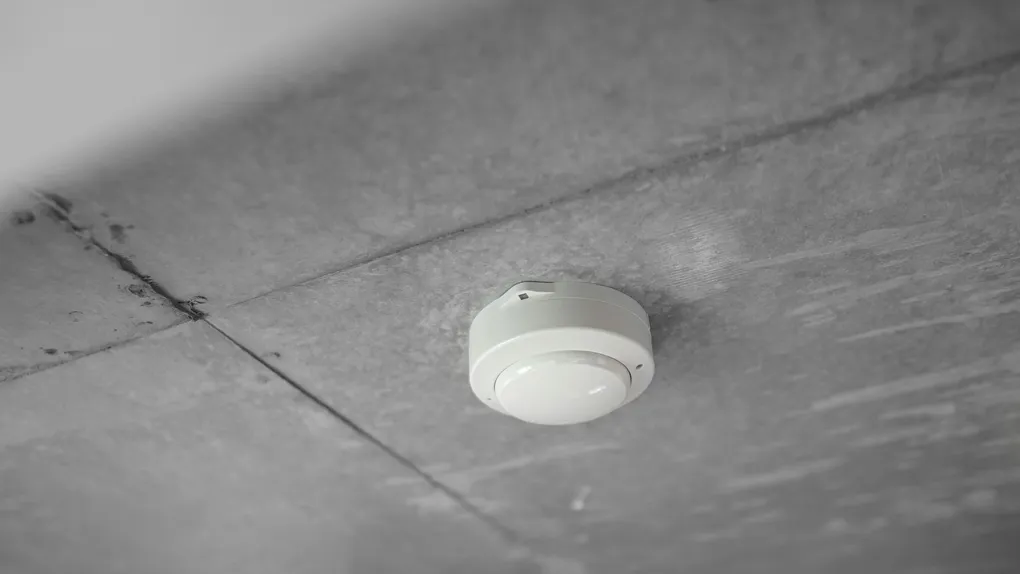
Hero photo by Yosuke Ota on Unsplash.
Adapted from FEMA Emergency Management Institute (public domain). Read the original: Community Preparedness: Simple Activities for Everyone, Handouts (FEMA IS-909).